 NovaPlay Arcade
NovaPlay Arcade
NovaPlay Arcade
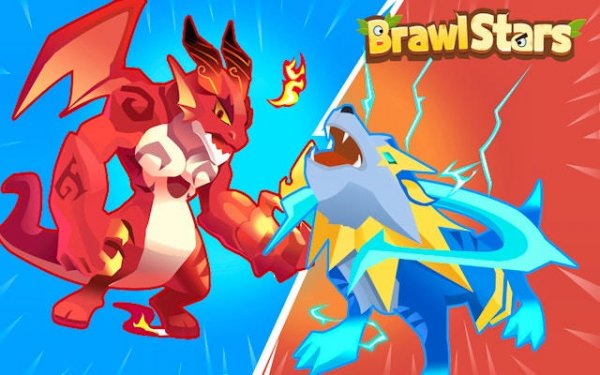
Starlight Champions: Whimsy Arena stands out by proving that competitive games can be both strategic and wholesome. The hero roster is inventive without being complex, and the power-up system encourages active movement rather than camping. Progression feels meaningful but never pay-to-win, and the random modifiers add welcome unpredictability. It is an excellent choice for families or anyone seeking a cheerful alternative to more intense arena games.
Starlight Champions: Whimsy Arena focuses on quick, strategic matches where positioning and timing matter more than raw force. Each round places players in a vibrant, enclosed arena filled with collectible items. These items, such as strawberries that boost attack or wings that increase speed, appear randomly and encourage players to move constantly. The goal is to outscore opponents by using these temporary advantages wisely. Matches last only a few minutes, making them ideal for short play sessions. The arena itself is designed with bright colors and simple layouts, ensuring that new players can jump in without confusion.
Players choose from a roster of imaginative characters, each with a distinct special move. For example, one hero might summon a small fire-breathing companion that briefly distracts opponents, while another can unleash a zippy electric hound that dashes across the arena. These abilities are not meant to be overpowering but instead add variety to each encounter. The roster is designed to be accessible, with no complex combos or steep learning curves. Instead, success comes from understanding when to activate an ability and how it interacts with the current power-ups on the field. This system encourages experimentation with different heroes across matches.
Between matches, players can invest in permanent upgrades for their favorite heroes. These upgrades affect core stats like health, movement speed, and attack power, allowing for gradual improvement over time. Additionally, a talent system unlocks passive bonuses that can be mixed and matched to suit individual play styles. This progression is designed to feel rewarding without creating an unfair gap between new and experienced players. The game also includes a leaderboard that tracks performance over seasons, giving competitive players a reason to return regularly. Random modifiers, similar to those found in rogue-lite games, are applied each match to keep the experience fresh.
The art direction leans heavily into whimsy and charm. Characters are cartoonish and expressive, with exaggerated features that make them easy to identify during fast-paced action. Arenas are filled with floating platforms, colorful grass, and cheerful decorations. Sound effects are playful, with cheerful chimes when collecting items and lighthearted tunes during matches. Nothing in the presentation feels threatening or intense, which reinforces the game's family-friendly identity. This visual approach makes the game suitable for younger players while still appealing to adults who appreciate a lighter tone in competitive gaming.
A typical match begins with a brief countdown, after which players scatter to collect items. Because power-ups spawn in random locations, map awareness becomes a key skill. Players must decide whether to chase an opponent or secure a nearby boost. The random modifiers mentioned earlier can alter gravity, item spawn rates, or ability cooldowns, forcing players to adapt on the fly. Team coordination, if playing in team modes, revolves around controlling central areas of the arena. The game rewards players who stay flexible and think ahead rather than those who rely on memorized patterns. This design keeps each match feeling distinct.



Player Comments
Sign in to comment
You must be logged in before posting a review or rating.
No account? Create one
No comments yet. Be the first to comment!