 NovaPlay Arcade
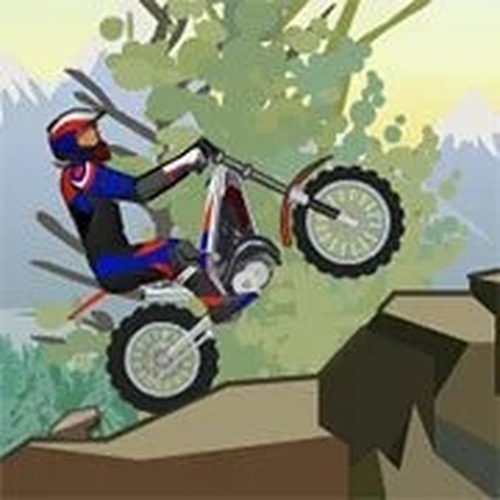
Hill Climb Bike Challenge stands out for its thoughtful approach to motorcycle simulation. Instead of pushing for speed, it asks players to master balance and throttle management on increasingly difficult terrain. The trails are well-designed, with obstacles that feel natural rather than arbitrary. The simple controls make it accessible, while the physics depth keeps it engaging. It is a perfect choice for anyone seeking a relaxing yet mentally stimulating activity that improves coordination and focus.
Hill Climb Bike Challenge focuses on the core skill of keeping a motorcycle upright across uneven ground. Players must adjust their body position by leaning forward or backward to maintain stability on steep ascents and descents. The physics system simulates realistic weight distribution, making each movement feel grounded. Success depends on reading the terrain ahead and making small, precise adjustments rather than aggressive actions. This emphasis on control creates a meditative experience where patience and observation are rewarded.
The mountain pack includes multiple trails that become progressively more difficult. Early paths feature gentle slopes and wide paths, allowing newcomers to learn basic controls. Later trails introduce tighter switchbacks, larger rocks, and fallen logs that require careful timing to cross. Each new environment changes the riding strategy needed. Loose gravel sections demand slower speeds, while hard-packed dirt allows for more confident acceleration. This variety keeps the experience fresh without overwhelming the player.
The game uses simple keyboard inputs for acceleration and steering, making it easy for anyone to start playing immediately. There is no complex button combination to memorize. The learning curve comes from understanding how the bike interacts with different surfaces, not from mastering difficult controls. This design choice ensures that players of all ages and skill levels can enjoy the trails. The interface is clean and uncluttered, with clear visual feedback showing the bike's angle and speed.
Completing each trail unlocks the next, providing a clear sense of advancement. The game tracks performance metrics such as completion time and number of falls, encouraging players to revisit earlier trails and improve their scores. There are no time limits, so players can progress at their own pace. This structure supports gradual skill development without pressure. The satisfaction comes from personal improvement rather than competing against others, making it a suitable choice for solo play.
The graphics use bright, colorful visuals that depict mountain landscapes in an approachable way. Trees, rocks, and trails are clearly defined, helping players read the environment easily. The art style avoids realistic grittiness, keeping the tone light and inviting. Animations are smooth, with the bike reacting naturally to bumps and slopes. This visual clarity supports the gameplay by making obstacles and terrain changes immediately visible, reducing frustration.





Player Comments
Sign in to comment
You must be logged in before posting a review or rating.
No account? Create one
No comments yet. Be the first to comment!